Social Security's Funding Gap Becomes a Midterm Election Issue
Outlets report that Social Security's money troubles are coming up in midterm races, and that headlines are warning of an across-the-board benefit cut in the early 2030s. Here's what that means.
For educational purposes only. Not investment advice.
- CBS News reports that Social Security's money troubles have become a key issue in midterm races.
- Headlines from Yahoo Finance and The Motley Fool point to an automatic benefit cut of about 22% to 23% if nothing changes, with Yahoo pointing to 2032.
- Running out of reserves would mean smaller checks, not an end to payments, because payroll taxes would still come in.
- No fix has been passed yet, and The New York Times reports that Senate candidates hold a range of positions, some of them unexpected.
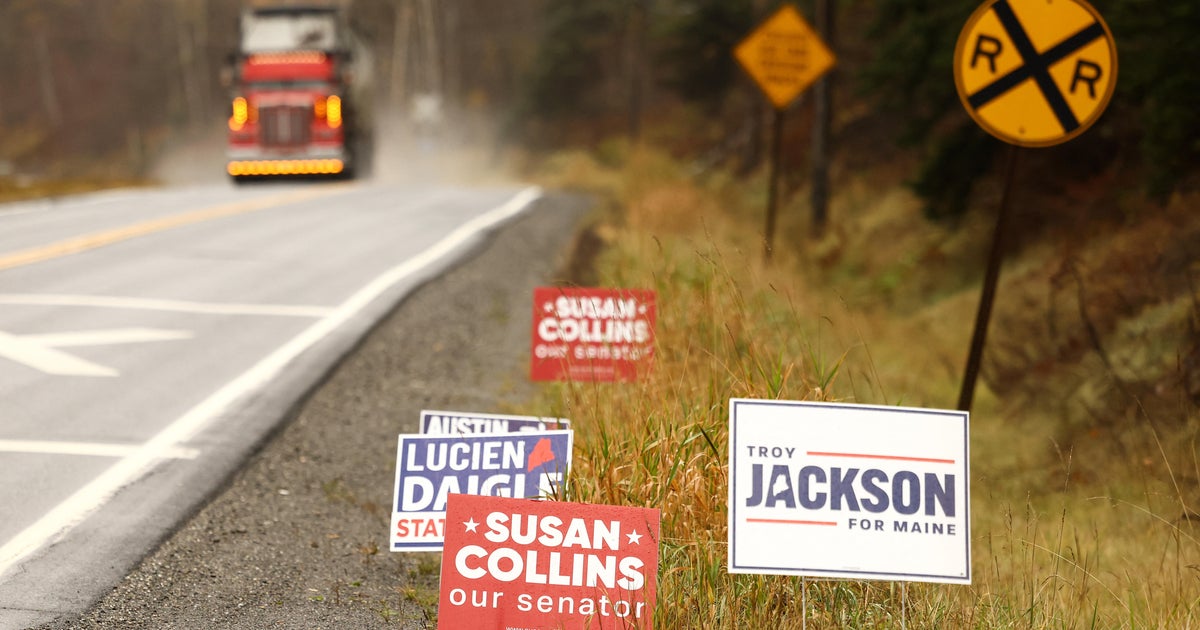
Social Security is the federal program that sends monthly checks to tens of millions of retirees, disabled workers and their families. It is now a campaign topic in this year's midterm elections. CBS News reports that the program has "surfaced as a key issue in midterm races as insolvency looms."
Several outlets covered the story at the same time, from different angles: the politics, how much the public knows, and what a cut could mean for a typical check. This explainer pulls those threads together and covers the basics behind them.
What happened
According to CBS News, candidates in the midterm races are talking about Social Security's finances as a date approaches when the program may not be able to pay full benefits. The New York Times reports that some Senate candidates are taking "surprising stances" on how to fix the program. The headline doesn't say what those positions are, so we can't list them here.
Yahoo Finance calls it a "2032 blind spot." Its headline says many Americans don't know that a 22% Social Security cut is "looming." The Motley Fool looked at what a 23% benefit cut would do to the average check. The two outlets use slightly different numbers, 22% and 23%. That's normal, because these figures are estimates, and they change as new projections and assumptions come out.
Background: why a cut is even possible
Social Security is mainly paid for by payroll taxes taken out of workers' paychecks. When those taxes brought in more than the program paid out, the extra money went into trust funds. For years now, the program has been drawing on those reserves to cover the gap between what comes in and what goes out.
"Insolvency" here doesn't mean Social Security stops paying. It means the trust fund reserves run out. After that, the program could only pay what incoming taxes cover. That would be roughly three-quarters or more of scheduled benefits, which is where figures like a 22% or 23% cut come from. Under current law, the cut would be automatic and would apply across the board unless Congress acts first.
Congress has dealt with funding gaps before. The best-known example is a major package of changes in 1983. The usual options are raising more money, such as higher payroll taxes or taxing more of high earners' wages, or paying out less, such as raising the retirement age or slowing benefit growth. Some proposals mix both. Each option creates winners and losers, and that's part of why the topic is so heated during elections.
Why it matters for everyday people
For current retirees, Social Security is often a big share of monthly income, so even a partial cut could change their budgets. The Motley Fool's coverage looks at that directly, translating a percentage cut into dollars for the average check.
For workers who haven't retired yet, how Congress closes the gap could affect their paychecks, the age they can claim full benefits, or how big their future benefits are. The Yahoo Finance headline suggests many people aren't aware of this timeline at all.
None of this is settled. The headlines describe projections and campaign arguments, not a law that has passed. If you want to follow the issue, two things to watch are what candidates say they would change and any updated official projections. You can also check your own estimated benefit through your Social Security account, which shows how the program applies to your work history.
| Publisher | Their angle | Original |
|---|---|---|
| CBS News | Social Security as a midterm campaign issue as insolvency nears | Read ↗ at CBS News |
| Yahoo Finance | Public unawareness of a projected 22% cut tied to 2032 | Read ↗ at Yahoo Finance |
| The New York Times | Senate candidates' unexpected positions on fixing the program | Read ↗ at The New York Times |
| The Motley Fool | What a 23% cut would mean for the average benefit check | Read ↗ at The Motley Fool |
Words to know
- Insolvency (Social Security)
- The point when the program's trust fund reserves run out, so it can only pay benefits out of the taxes coming in at the time.
- Trust fund
- The reserve built up from years when Social Security collected more in taxes than it paid out. It is now being drawn down.
- Payroll tax
- A tax taken directly out of workers' paychecks and paid by employers that is the main funding source for Social Security.
- Midterm elections
- US congressional elections held halfway through a president's four-year term.
Questions readers ask
Will Social Security stop paying benefits?
No. Even if the trust fund reserves run out, payroll taxes would keep coming in and paying most benefits. The concern is an across-the-board cut, which headlines put at about 22% to 23%, not an end to payments.
Why do the outlets cite different percentages?
Figures like 22% and 23% are estimates, and they depend on assumptions about the economy, wages and population. Different sources or different rounds of projections can give slightly different numbers.
Can the cut be avoided?
Yes, if Congress changes the law. Options include raising more revenue, changing benefits, or both. Congress has made changes like this before, and it's part of the campaign debate now.
For educational purposes only. Not investment advice. We do not recommend any stock, fund, broker or trading platform. Headlines are sourced from Google News · Business; every story links to the original publishers.