Social Security's Money Problem: What Retirement Savers Should Understand
Several major outlets are focusing on Social Security's finances, the political reluctance to fix them, and what that uncertainty means for people planning retirement.
For educational purposes only. Not investment advice.
- Bloomberg, NPR, the New York Times and the Star Tribune all published stories in mid-October 2026 about Social Security's finances and politics.
- Under current law, running out of trust fund money would mean partial benefit cuts, not an end to benefits.
- Fixes involve raising taxes, reducing benefits or both, which is why politicians often avoid the subject.
- Retirees with lower incomes tend to rely most on Social Security, so they have the most at stake.
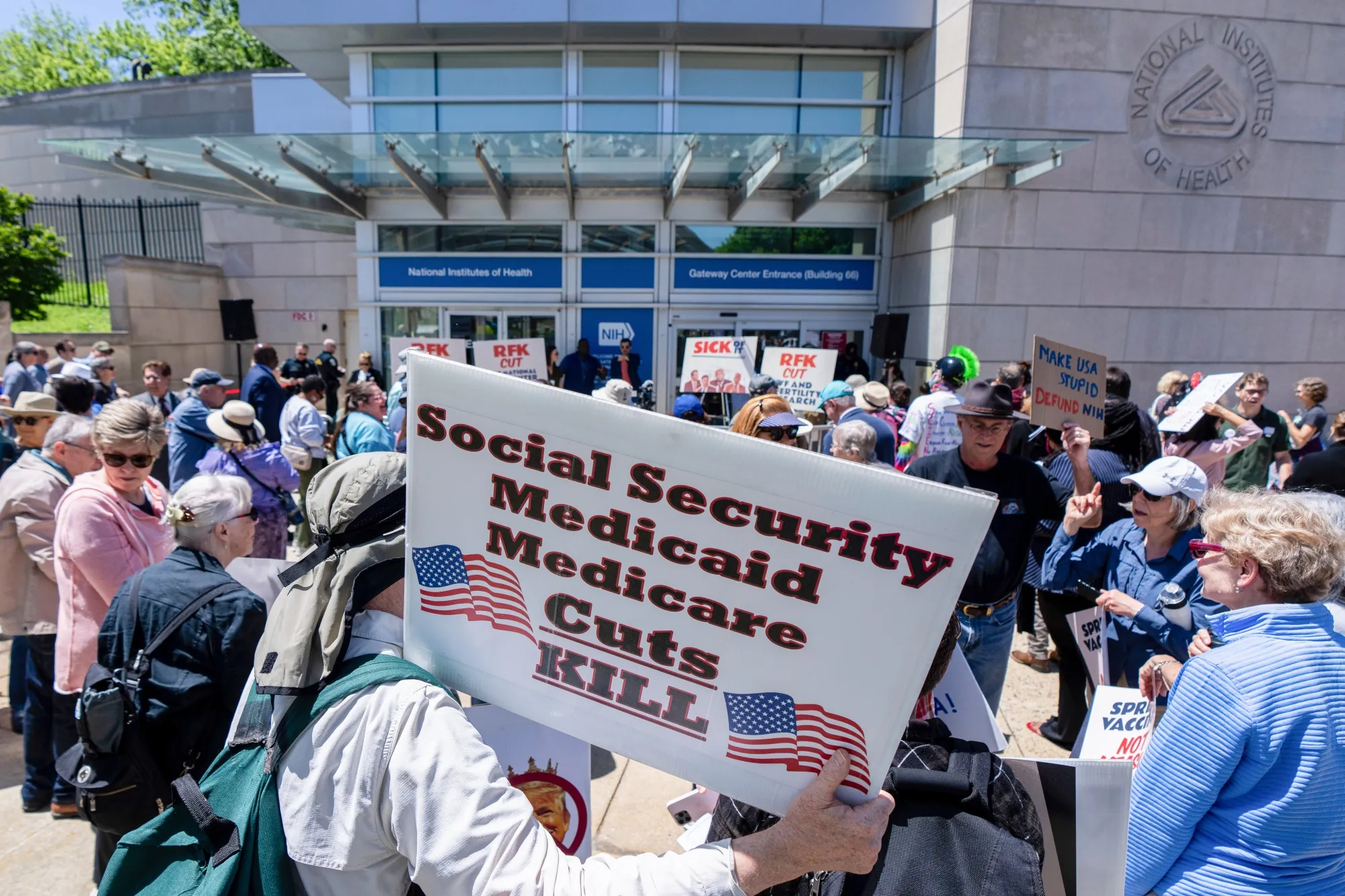
Social Security is back in the news. In mid-October 2026, several major outlets ran stories about the program's long-term finances and the politics around fixing them. Together they raise a question many workers and retirees are asking: what happens to my benefits?
This explainer covers what the coverage says, the background on how Social Security is funded, and why the topic matters even if retirement is decades away for you.
What the coverage says
Bloomberg's headline describes "a Social Security taboo" that "leaves retirement savers with big questions." The headline points to a subject that is hard to talk about openly, and to the uncertainty that creates for people trying to plan their retirement.
NPR's headline is more direct: "Social Security could soon run out of money," followed by "some possible solutions." The headline suggests the story lays out the policy options rather than only describing the problem.
The New York Times looks at how American retirees at different income levels rely on Social Security. That is a reminder that the program matters more to some households than to others.
The Star Tribune, a Minnesota newspaper, ran a column by Ramstad calling Social Security a fight that Minnesota's next senator "can't avoid." That takes the national issue to the level of state politics and upcoming elections.
Background: why 'run out of money' needs context
This part is general background, not news from the headlines. Most Social Security benefits are paid for by payroll taxes that today's workers and employers pay. For years the program collected more than it paid out, and the extra money was held in trust funds.
Now that large generations are retiring and fewer workers are paying in for each retiree, the program has been drawing those reserves down. In recent years, the government officials who oversee the program (called trustees) have projected that the main trust fund could run dry sometime in the 2030s.
"Running out of money" does not mean benefits would drop to zero. Payroll taxes would keep coming in. Under current law, though, those taxes would cover only part of the benefits people are scheduled to get, which would mean an automatic cut across the board unless Congress acts first.
Why fixes are politically hard
In general, the options come down to a few levers. Congress could bring in more money, for example by raising the payroll tax rate or raising the cap on how much income gets taxed. It could pay out less, for example by raising the retirement age or changing how benefits are calculated. Or it could combine the two.
Each option asks some group to pay more or get less, and that is politically unpopular. This helps explain why the subject is often treated as off-limits and why candidates may avoid committing to specifics, as the Bloomberg and Star Tribune headlines suggest.
Why it matters for everyday people
For many retirees, especially those with lower incomes, Social Security makes up a large share of their income. That is the kind of difference the New York Times piece looks at. A cut, even a partial one, would hit those households hardest.
For younger workers, the main issue is uncertainty. When it's unclear how the program will be fixed, it's harder to know what benefits to expect. That's why many people use the official estimates on their Social Security statement as one input in their planning, while keeping an eye on any changes Congress makes. None of the coverage reviewed here reports that a solution has been agreed on.
| Publisher | Their angle | Original |
|---|---|---|
| Bloomberg.com | Political reluctance to discuss the problem leaves savers uncertain | Read ↗ at Bloomberg.com |
| The New York Times | How much retirees at different income levels rely on the program | Read ↗ at The New York Times |
| Star Tribune | Social Security as an unavoidable issue in Minnesota's Senate race | Read ↗ at Star Tribune |
| NPR | Funding shortfall and possible policy solutions | Read ↗ at NPR |
Words to know
- Payroll tax
- A tax taken out of workers' paychecks, with a matching amount paid by employers, that funds most Social Security benefits.
- Trust fund
- Reserves built up when Social Security collected more than it paid out. The program draws on them when taxes fall short.
- Trustees
- The officials who oversee Social Security's finances and publish yearly projections of how long the reserves will last.
Questions readers ask
Will Social Security disappear completely?
Under current law, no. If the trust fund ran out, incoming payroll taxes would still pay part of scheduled benefits. Congress can change that outcome.
What could Congress do to fix it?
Generally, it could raise more revenue, for example through higher payroll taxes or a higher cap on taxed income. It could reduce future benefits, for example by raising the retirement age. Or it could do some of both.
Has a solution been agreed on?
None of the coverage summarized here reports one. The headlines describe the question as unresolved and politically sensitive.
For educational purposes only. Not investment advice. We do not recommend any stock, fund, broker or trading platform. Headlines are sourced from Google News · Business; every story links to the original publishers.