Australia's Inflation Picks Up, and a Major Bank Now Expects a Rate Hike
Commonwealth Bank now expects the Reserve Bank of Australia to raise rates to 4.85% in November, after new data showed inflation speeding up in September.
For educational purposes only. Not investment advice.
- The Wall Street Journal reports that Australia's inflation sped up in September.
- Bloomberg reports that Commonwealth Bank now expects the RBA to raise rates to 4.85% in November.
- ABC reports that Treasurer Jim Chalmers lowered expectations for fuel discounts after the inflation data.
- A bank forecast is not a decision. The RBA board sets the rate.
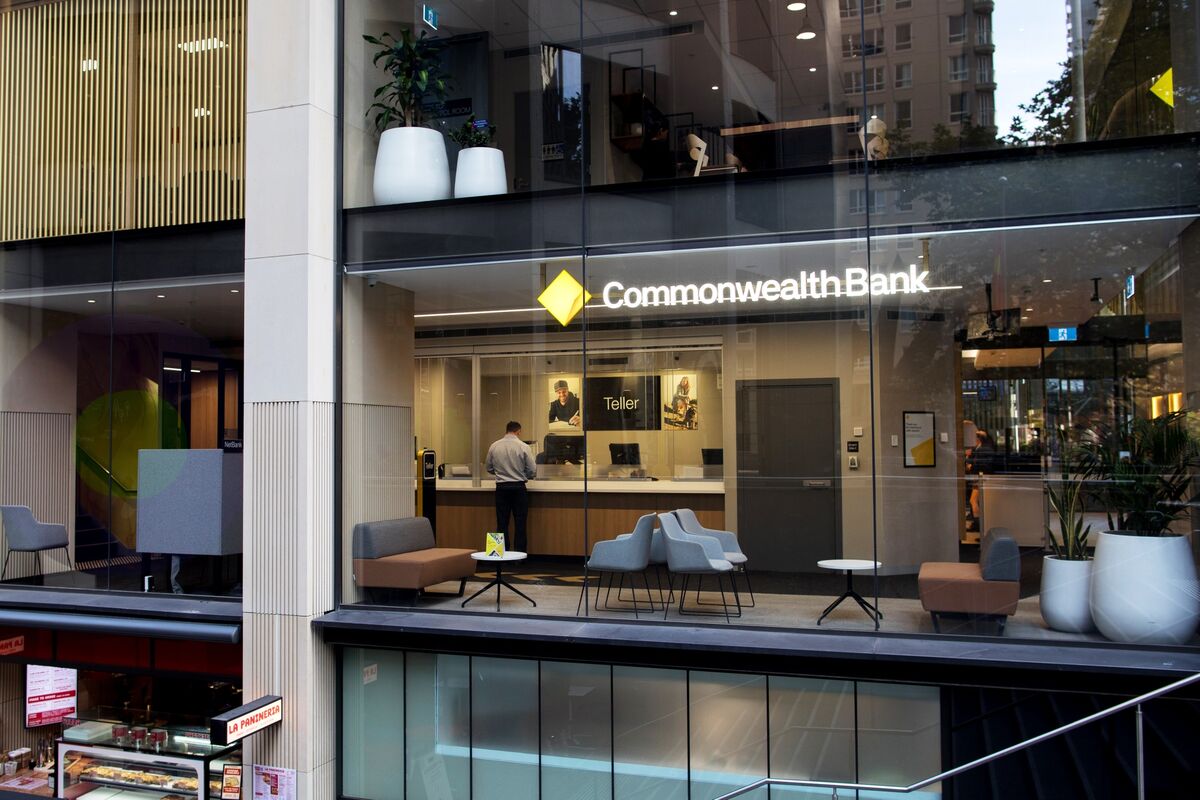
Australia got an unwelcome economic reading this week. According to the Wall Street Journal, the country's inflation kept speeding up in September. Bloomberg reports that soon afterward, Commonwealth Bank of Australia (CBA), one of the country's biggest lenders, changed its forecast. It now expects the Reserve Bank of Australia (RBA) to raise its key interest rate to 4.85% at its November meeting.
Australian outlets focused on the political side. The Sydney Morning Herald says Treasurer Jim Chalmers faces a "new inflation nightmare before Christmas." ABC News reports that Chalmers has lowered expectations for fuel discounts after the high inflation result.
Below, we explain what these headlines mean and why a bank's forecast gets attention.
What happened
All four reports appeared on October 28, 2026. The Wall Street Journal's headline says Australian inflation "continued to accelerate" in September. That means prices didn't just keep rising. They rose faster than they had before.
Bloomberg reports that Commonwealth Bank now expects the RBA to raise its cash rate to 4.85% in November. The word "now" points to a change of view: before this data, the bank apparently wasn't forecasting that move. The headlines don't give the exact inflation figures or the bank's full reasoning.
ABC News reports that Chalmers is lowering expectations for fuel discounts. The headline doesn't say what form those discounts would take or how big they might have been.
Why a bank's forecast matters
Background: Major banks have economists who study data and predict what central banks will do. Their forecasts aren't official decisions. Only the RBA's board sets the cash rate. But when a big lender like CBA changes its call, it can signal that the economic picture has shifted.
Central banks usually fight inflation by raising interest rates. When borrowing costs more, households and businesses tend to spend less. Over time, that can cool demand and slow price increases. Australian central banks have traditionally moved rates in steps of a quarter of a percentage point.
In Australia, many home loans have variable rates. When the RBA raises the cash rate, banks often pass that on to borrowers fairly quickly. Monthly mortgage payments can then go up. Savers may earn a bit more on their deposits.
The political angle
The Sydney Morning Herald and ABC coverage shows the tricky position the government is in. Background: when inflation is high, governments face pressure to ease costs for households, for example by cutting fuel prices. Economists often warn that measures putting more money in people's pockets can add to demand. That can make inflation harder to bring down and could push the central bank toward higher rates.
Chalmers lowering expectations for fuel discounts, as ABC reports, fits that tension. The headlines don't say exactly how he explained his decision.
Why it matters for everyday people
For Australians, the main questions are simple. Will groceries, fuel and rent keep getting more expensive? And will loan repayments go up? Faster inflation means money buys less. A rate hike, if it happens, would raise borrowing costs for many households.
Remember, CBA's view is a forecast and not a done deal. The RBA will make its own decision in November. Other banks and economists may not agree. People with variable-rate loans may want to understand how a rate change would affect their own budget. The RBA's announcement will settle what actually happens.
| Publisher | Their angle | Original |
|---|---|---|
| Bloomberg.com | A major bank changes its forecast to expect a November rate hike | Read ↗ at Bloomberg.com |
| WSJ | Data shows inflation kept speeding up in September | Read ↗ at WSJ |
| SMH.com.au | Political pressure on the treasurer ahead of Christmas | Read ↗ at SMH.com.au |
| ABC News & Headlines – Australian Broadcasting Corporation | Government lowers expectations for fuel discounts | Read ↗ at ABC News & Headlines – Australian Broadcasting Corporation |
Words to know
- Inflation
- The pace at which prices for goods and services rise over time. When inflation is higher, the same money buys less.
- Reserve Bank of Australia (RBA)
- Australia's central bank. It sets the country's main interest rate to help keep inflation under control.
- Cash rate
- The RBA's key interest rate. It affects what banks charge for loans and pay on savings.
- Variable-rate loan
- A loan whose interest rate can change over time, often after the central bank changes its rate.
Questions readers ask
Has the RBA already raised rates?
Not according to these reports. Commonwealth Bank is forecasting a hike in November, but only the RBA board can make that decision.
Why would higher inflation lead to higher interest rates?
Central banks often raise rates to make borrowing more expensive. That tends to slow spending and, over time, ease price increases.
What does this mean for fuel prices?
ABC reports that the treasurer has lowered expectations for fuel discounts. The headlines don't say what fuel prices will do next.
For educational purposes only. Not investment advice. We do not recommend any stock, fund, broker or trading platform. Headlines are sourced from Google News · Business; every story links to the original publishers.